Beyond the Bench: Tips for Becoming a Top-Tier Team Leader
- Leadership
- In the News
- December 8, 2025
Why Strong Leadership Is the Foundation of Every Successful Team

Learning how to become good leader in a team isn’t about titles or authority; it’s about creating an environment where people thrive and a shared vision becomes reality. It’s about achieving more together than you ever could alone.
Quick Answer: How to Become a Good Leader in a Team
- Practice self-awareness – Know your strengths and impact on others.
- Get to know your team – Understand each member’s capabilities and motivations.
- Set clear goals and expectations – Define and communicate success effectively.
- Lead by example – Model the behavior you want to see.
- Listen actively – Make your team feel heard and valued.
- Delegate with trust – Empower others and avoid micromanaging.
- Give regular feedback – Offer both recognition and constructive guidance.
- Build a positive environment – Foster psychological safety and collaboration.
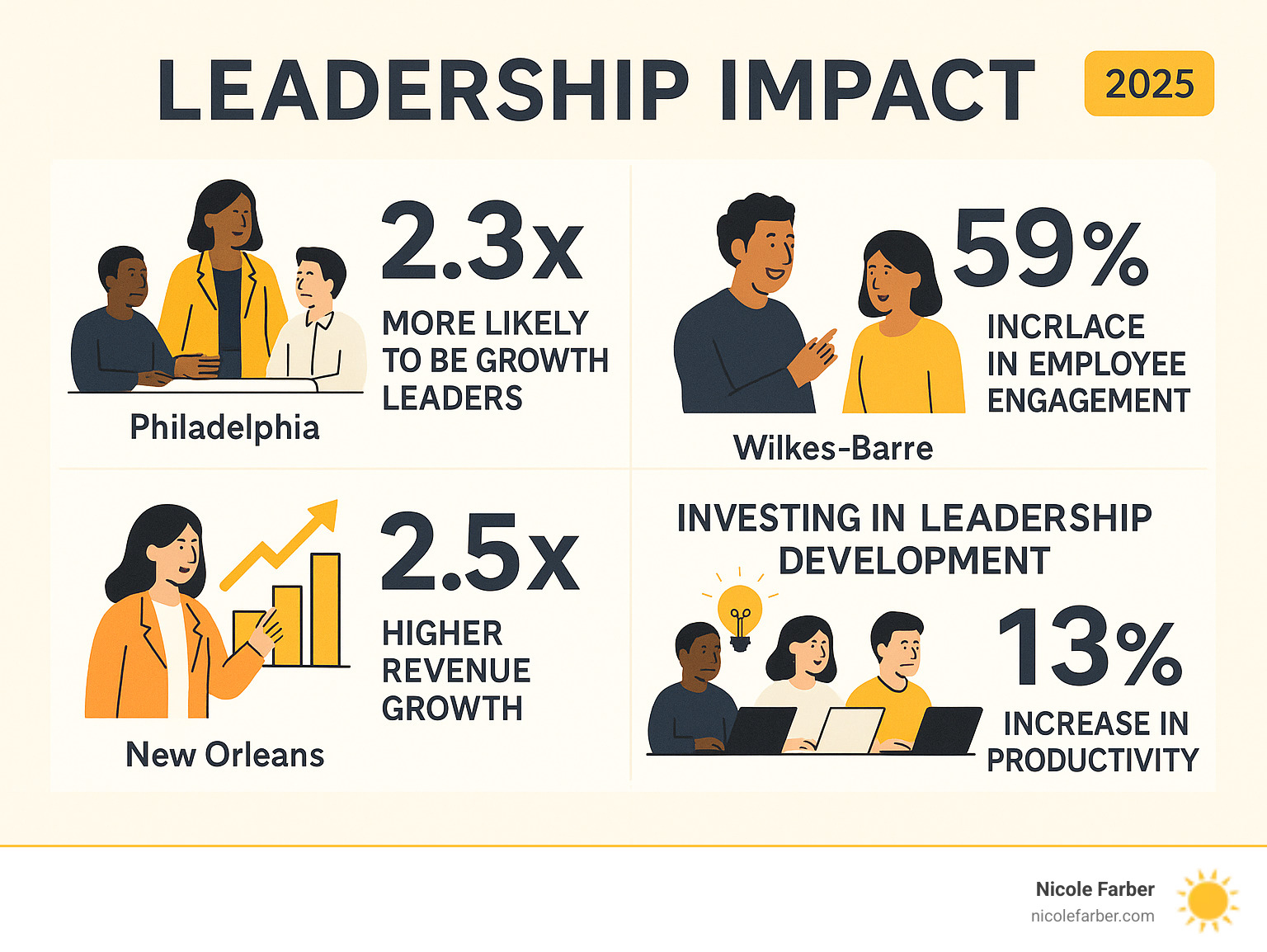
The statistics are compelling: companies with strong leadership see 2.5 times higher revenue growth and can boost employee engagement by up to 59%. Yet, while 86% of leaders see development as a top priority, only 5% of companies have robust programs. This gap is your opportunity.
Whether you’re leading a legal team in Philadelphia, a nonprofit in Wilkes-Barre, or a startup in New Orleans, these fundamentals apply. I’m Nicole Farber, CEO of ENX2 Legal Marketing, and my 15+ years of experience have taught me that authentic leadership starts with serving your people first—a lesson I learned while guiding my team through a global pandemic.
How to become good leader in a team definitions:
Are You a Leader or a Manager? Understanding the Critical Difference
Before diving into how to become good leader in a team, we must distinguish between management and leadership. They are not the same, and this understanding is your first step toward excellence.
Simply put, managers focus on process, while leaders focus on people. A manager asks, “How do we get this done?” They organize resources, follow procedures, and ensure tasks are completed. Their authority comes from their position.
A leader asks, “Why does this matter?” They inspire people toward a shared goal, connecting daily work to a larger vision. A nonprofit manager in Wilkes-Barre ensures volunteers show up on time; a leader helps them see how their work saves lives. Whether in a Philadelphia law firm or a New Orleans startup, influence comes from inspiration, not just instruction.
| Characteristic | Manager | Leader |
|---|---|---|
| Focus | Process, tasks, efficiency, operations | Vision, people, influence, innovation |
| Authority | Positional (job title, hierarchy) | Personal (qualities, inspiration, trust) |
| Approach | Directing, controlling, organizing | Inspiring, motivating, coaching |
| Goal | Achieve specific objectives, maintain status quo | Drive change, foster growth, set new directions |
| Outcome | Predictability, compliance, task completion | Engagement, loyalty, innovation, long-term success |
You need both skills. The best leaders can manage effectively but choose to lead. I learned this early at ENX2. I was so focused on managing details that I forgot to paint the bigger picture. When I shifted from asking “Did you finish the task?” to “Do you see how this project helps our clients succeed?”, everything changed. Engagement and quality soared.
Whether you’re leading a team in Luzerne County or managing remote workers from Antigua Guatemala, remember: people don’t follow processes, they follow purpose. Your job is to help your team fall in love with why the work matters.
Learn more about what it takes to be a leader by exploring our Business Leadership Ultimate Guide.
The Bedrock of Influence: Core Qualities of an Unforgettable Leader
To understand how to become good leader in a team, you must grasp the core qualities that build influence. These aren’t buzzwords; they are the traits that separate memorable leaders from forgettable managers. Think of the leaders who impacted you most—they inspired belief, not just compliance.

These qualities can be developed by anyone willing to do the work, whether you’re in a Philadelphia high-rise, a Wilkes-Barre nonprofit, or a New Orleans startup. Let’s explore the foundation of unforgettable leadership: integrity, passion, empathy, decisiveness, self-awareness, and vision.
Upholding Unshakeable Integrity and Ethics
Integrity is about being honest when it costs you something. It’s my North Star when making tough CEO decisions. It means delivering difficult news with compassion (honesty), sharing the “why” behind decisions (transparency), and owning mistakes quickly (accountability). This consistent, ethical behavior builds trust and creates a culture of psychological safety. Research shows that teams led by high-integrity leaders report higher job satisfaction, lower turnover, and increased productivity. When your team knows you’ll be straight with them, they’ll go the extra mile.
Find more about what makes a good leader in our comprehensive guide on essential leadership qualities.
Leading with Passion and a Clear Vision
True passion isn’t forced enthusiasm; it’s a deep, contagious belief in your mission. Communicating the “why” transforms mundane tasks into meaningful contributions. Instead of just giving deadlines, explain how the work serves your clients. Setting a compelling direction means painting a picture of the future that excites your team. You inspire commitment by showing how individual strengths contribute to collective success and fostering a shared purpose. When a marketing coordinator in New Orleans sees their blog posts as a way to help families find legal aid, they are connected to a purpose beyond a paycheck. With a clear vision and authentic passion, you inspire people toward a goal they genuinely want to achieve.
The Leader’s Playbook: How to Become a Good Leader in a Team Through Action
Now let’s turn leadership qualities into action. Understanding theory is the start, but applying these principles daily is where you truly learn how to become good leader in a team. This is your practical toolkit for making a real difference, whether in Philadelphia or Wilkes-Barre.

For more practical guidance, check out our Good Leader Workplace Guide.
Mastering Communication: The First Step in How to Become a Good Leader in a Team
Communication is the bridge between your vision and your team’s execution. It starts with active listening—genuinely caring about what your team says. When you listen fully and ask thoughtful questions, people feel valued. This builds trust and encourages them to share ideas and concerns. Setting clear expectations is also critical. Your team shouldn’t have to guess what success looks like. Be specific about goals, roles, and deadlines, and always explain the why behind the what. This fosters open dialogue, creating a safe environment where the best ideas can surface, regardless of who they come from.
Improve your leadership by mastering the art of listening.
Empowering Your People: A Key Strategy for How to Become a Good Leader in a Team
The best leaders make themselves less necessary by empowering their teams to own their work and grow. Effective delegation isn’t about offloading tasks; it’s about strategically assigning responsibility for results. Match the right person to the right challenge, clarify the desired outcome, and then trust them to figure out the how. This requires granting autonomy. Resist the urge to micromanage. Give your team the freedom to innovate, and you’ll be surprised by their creativity. Of course, empowerment requires proper resources. Ensure your team has the tools, training, and support they need to succeed. This combination of autonomy and support fosters true ownership, changing employees into dedicated project leaders.
Explore more business leadership strategies for effective team management.
Motivating and Inspiring Towards a Common Goal
Motivation is cultivated with your team, not done to them. Align their individual drives with your shared goals. Recognizing achievements, both big and small, is a powerful tool. According to Gallup research, meaningful recognition from a manager has a huge impact on morale. A simple, heartfelt “well done” can make a world of difference. Help your team see the connection between their work and its real-world impact. Whether they’re helping a law firm in Luzerne County or a community initiative in New Orleans, purpose drives performance. Finally, build resilience by approaching challenges as learning opportunities. Your positive attitude during tough times sets the tone for the entire team.
Here are three powerful non-monetary ways to motivate:
- Public Recognition: Highlight achievements in team meetings or company-wide communications.
- Professional Development: Invest in their growth through training or mentorship aligned with their career goals.
- Increased Autonomy: Give them more control over their work, demonstrating your trust in their abilities.
Cultivating a Winning Culture in Any Environment
Team culture is the invisible thread that defines your work environment. As a leader, you don’t just manage tasks; you intentionally build a culture where people flourish. How to become good leader in a team means understanding that you are the primary architect of this environment, whether your team is in Philadelphia, Wilkes-Barre, or distributed globally from New Orleans to Antigua Guatemala.

Fostering a Positive and Encouraging Atmosphere
The energy you bring is contagious. Celebrate successes, both large and small, to reinforce positive behaviors. Support your team members as whole people, showing genuine care for their professional growth and personal well-being. Your response to a family emergency in your Luzerne County office or a technical issue for a remote worker in Antigua Guatemala sets the tone. Model positivity by approaching problems with a solution-oriented mindset. Most importantly, create psychological safety—a space where people can share ideas, admit mistakes, and ask questions without fear. This is the foundation of innovation and trust.
Navigating Conflict and Delivering Constructive Feedback
Conflict isn’t the enemy; avoiding it is. Handled well, difficult conversations strengthen relationships. Address issues directly and privately. When tensions arise, don’t hope they disappear—step in to mediate. Listen to all sides and guide the conversation toward understanding, not blame. When giving feedback, focus on behavior, not personality. Instead of saying, “You’re disorganized,” say, “When reports are late, it impacts the team’s workflow.” This is specific, actionable, and preserves dignity. Turn every critique into a coaching opportunity by asking, “What support do you need to succeed here?” This transforms judgment into collaboration.
For more insights on leading effectively, explore our guide on Being a Good Leader in the Workplace.
Essential Skills for the Modern Remote or Hybrid Leader
With many teams collaborating across time zones, remote leadership is a core competency.
- Over-communicate: Be more intentional about sharing information and checking for understanding.
- Read digital body language: Notice subtle cues in email tone, video call participation, and response times.
- Foster connection remotely: Schedule virtual coffee chats and non-work conversations to prevent isolation.
- Accept asynchronous tools: Respect different schedules by using tools that don’t require an immediate response.
- Measure outcomes, not hours: Focus on results and deliverables to build a culture of trust and empowerment.
The Journey Never Ends: Committing to Lifelong Leadership Growth
Understanding how to become good leader in a team is not a destination; it’s an ongoing journey of growth. The most effective leaders are those who never stop learning, whether they’re in Philadelphia, Luzerne County, or leading a remote team from Wilkes-Barre to Antigua Guatemala.
Continuous learning is the heartbeat of great leadership. Stay curious by reading, listening to podcasts, or attending webinars. Great leaders also accept adaptability as a superpower, viewing change as an opportunity rather than a threat. When you lead by example in your own learning—admitting when you don’t know something or sharing a new insight—you create a culture where everyone feels safe to grow.
Seeking feedback takes courage but is essential for improvement. Ask your team, peers, and mentors for honest input. At the same time, mentoring others can accelerate your own development by forcing you to articulate what you know. Perhaps most importantly, humility keeps you grounded. The moment you think you have all the answers is the moment you stop growing. Your job isn’t to be the smartest person in the room, but to open up the collective intelligence of your team. This journey requires intentional self-reflection and a clear vision for the kind of leader you aspire to be.
Invest in your leadership journey through dedicated Leadership Development Seminars.
Frequently Asked Questions about Team Leadership
Every leader faces uncertainty. Here are answers to common questions, whether you’re leading a law firm in Philadelphia or a nonprofit in Wilkes-Barre.
How do you balance making tough decisions with maintaining team morale?
This balance hinges on clarity and transparency. Explain the “why” behind your decision. While you can’t share every detail, providing context helps your team see the bigger picture and connect the choice to the long-term health of the organization. Show empathy for the impact your decision will have by acknowledging the difficulty and listening to concerns. This validates their feelings and shows you care. Where possible, involve your team in the process to foster ownership. Finally, after the decision is made, reaffirm your commitment to supporting them through the transition. Your actions afterward matter most.
What is the most important skill for a new leader to develop first?
Active listening. It is the foundation for nearly every other leadership skill. You cannot lead people you don’t understand. By truly listening, you build trust, making people feel heard and valued. You also identify problems early, before they escalate. Listening helps you understand individual motivations, allowing you to communicate more effectively. Most importantly, it empowers your team by showing their ideas are valued, which boosts engagement and ownership. It’s a simple but transformative skill.
How can you effectively lead a team of former peers?
This transition requires both courage and humility. First, acknowledge the change directly in an open conversation about your new role. Don’t pretend nothing is different. Set clear boundaries and expectations early to create clarity for everyone. Your primary focus must shift to the team’s collective goals, not past friendships, which means avoiding any hint of favoritism. Prove your value through action, not position. Show you are there to remove obstacles and support their success. Finally, ask for their help. Acknowledging you’re still learning shows humility and reinforces that you value their expertise, building a new, productive relationship dynamic.
Conclusion
The journey of how to become good leader in a team is a personal and rewarding path of progress and connection. It’s about serving others with authenticity.
True leadership transcends managing tasks. It’s about painting an inspiring vision, building trust through integrity, and creating an environment where every team member feels valued and empowered. The fundamentals—active listening, thoughtful delegation, and fostering psychological safety—are universal, whether you’re in Philadelphia, Wilkes-Barre, or New Orleans.
My own journey as a single mother and CEO has taught me that leadership is fundamentally about serving others first. The most powerful moments come when we choose empathy over authority, listen more than we speak, and celebrate our team’s successes as our own.
Leadership is a learned skill, not a birthright, requiring continuous learning and humble adaptation. The faith-driven, empathetic approach that guides my work is about learning alongside your team and showing up with genuine care. Your leadership journey starts with your very next interaction. Make it count.
Explore more leadership insights and strategies to continue your journey toward becoming an unforgettable leader.