Step-by-Step Guide to Becoming an Effective Leader
- Leadership
- In the News
- February 16, 2026
Why Effective Leadership Skills Matter More Than Ever

Learning to become effective leader starts with understanding that leadership isn’t about titles—it’s about inspiring others to achieve their best. Whether you’re running a law firm in Philadelphia or managing a team in Wilkes-Barre, the fundamentals remain the same.
Quick Answer: To become an effective leader, focus on these core steps:
- Build self-awareness – Understand your strengths, weaknesses, and leadership style
- Master communication – Listen actively and provide clear, honest feedback
- Foster trust – Be dependable, show integrity, and create psychological safety
- Empower others – Delegate meaningfully and develop your team’s skills
- Stay adaptable – Lead through change with resilience and vision
- Keep learning – Continuously improve through feedback and self-reflection
The numbers are compelling. According to Gallup research, managers account for 70% of the variance in a team’s engagement. When leaders invest in their teams, productivity increases by 21% and absenteeism drops by 37%. Yet 63% of employees cite lack of appreciation from managers as their top complaint.
Great leadership transforms organizations. It turns struggling teams into high performers, reduces turnover, and creates cultures where people thrive. The best part? These skills can be learned.
In today’s fast-changing business environment—from the legal markets of New Orleans to the entrepreneurial scene in Luzerne County—effective leadership separates successful firms from those that merely survive. As someone who has spent over 15 years helping businesses transform their leadership, I’ve seen that authentic, purpose-driven leadership empowers others to reach their full potential.
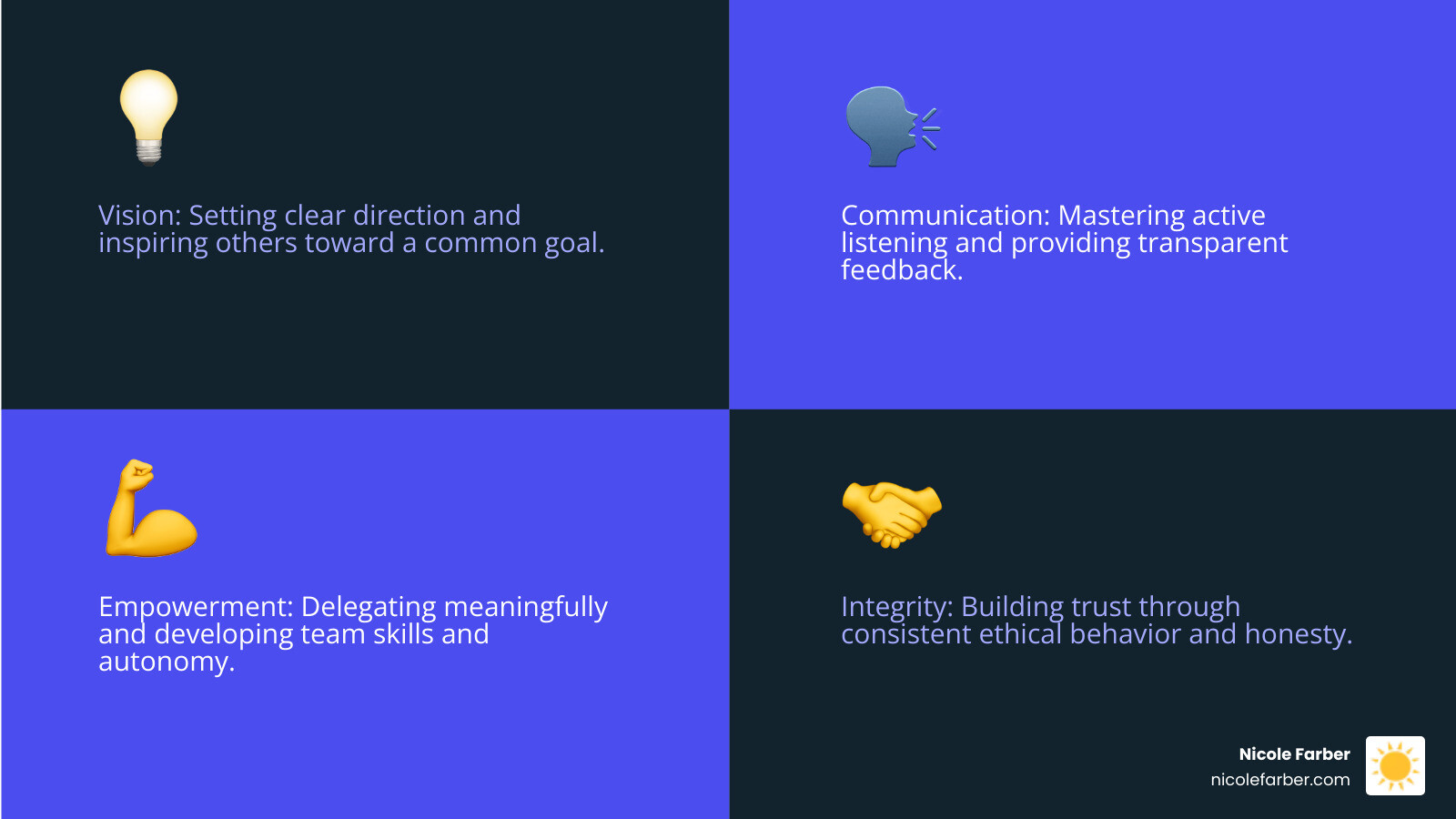
Become effective leader terms explained:
Step 1: Build Your Foundational Leadership Mindset
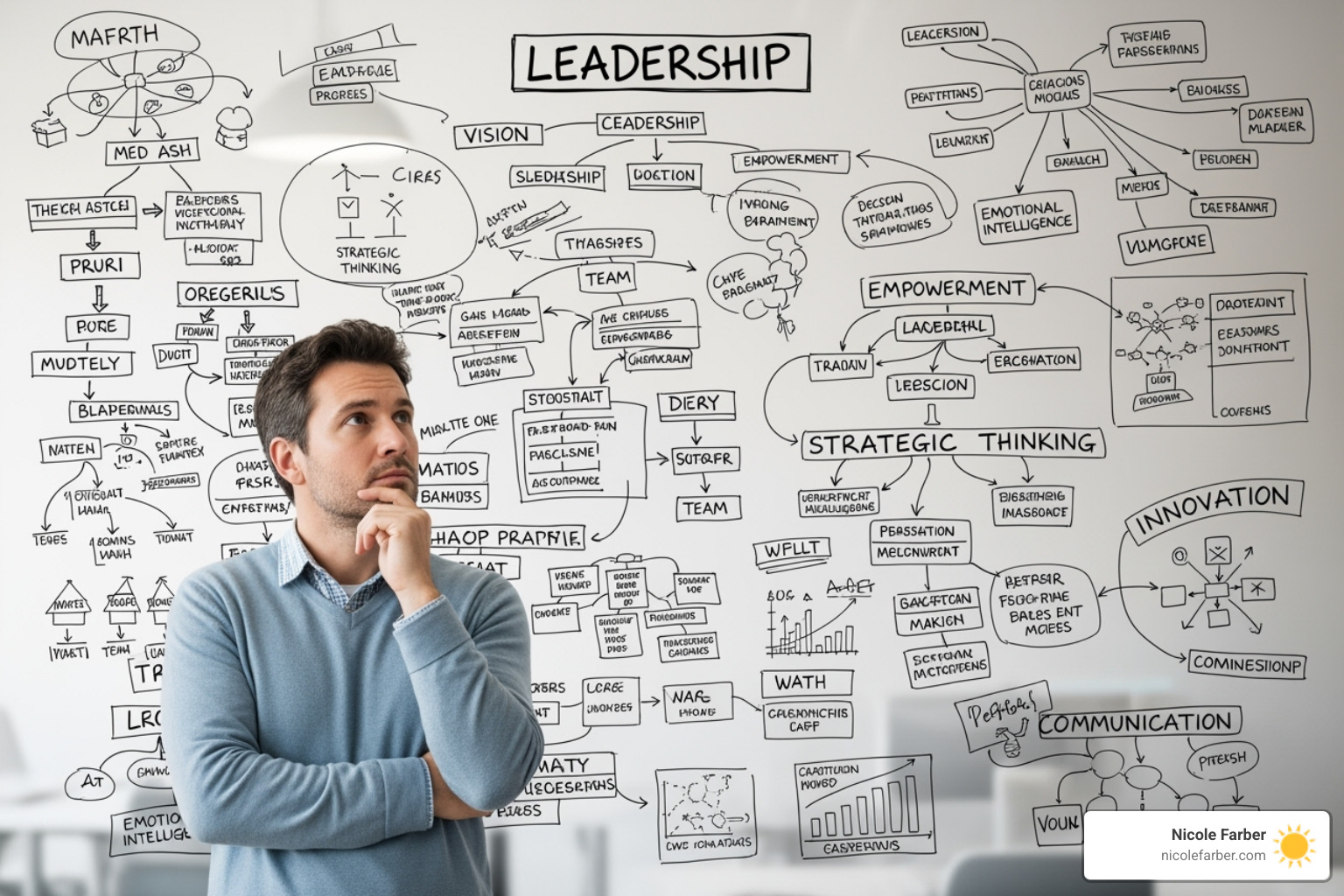
The journey to become effective leader begins with your mindset. Before inspiring others, you must develop the inner foundation that guides your decisions. Think of it as the foundation of a house—without it, even the best techniques will fail.
Defining the Core Traits of an Effective Leader
What makes a leader worth following? From Philadelphia law firms to New Orleans entrepreneurs, I’ve seen these traits in the most effective leaders:
- Self-awareness: To lead others, you must first understand your own strengths, weaknesses, and emotional impact. It’s essential.
- Integrity: This is non-negotiable. People need to trust that your words and actions align, making trust the currency of leadership.
- Empathy: Genuinely caring about your team’s perspectives creates loyalty that transcends a paycheck.
- Vision: You must paint a picture of the future that excites people and makes them want to join the journey.
- Courage & Resilience: This means making tough decisions, having difficult conversations, and bouncing back from setbacks.
- Passion: Genuine passion is contagious. It transforms ordinary work into something meaningful.
More info about developing leadership qualities can help you dive deeper into these traits.
Leadership vs. Management: A Powerful Partnership
Many people confuse leadership and management. Understanding the difference will help you become effective leader much faster. They are not the same, but you need both.
| Aspect | Leadership | Management |
|---|---|---|
| Focus | Vision, inspiration, change, “the why” | Planning, execution, control, “the how” |
| Primary Goal | Guiding people, setting direction, empowering | Directing tasks, optimizing processes, achieving goals |
| Approach | Changeal, innovative, challenges status quo | Transactional, maintains status quo, problem-solving |
| Output | Trust, loyalty, innovation, growth | Efficiency, order, consistency, results |
| Relationship | Inspires and motivates people to follow voluntarily | Delegates and supervises tasks |
Leadership inspires people toward a vision, while management organizes the work to get there. Brilliant visionaries can fail without management skills, and excellent managers can struggle without leadership. The magic happens when you develop both and know when to use each one.
The Undeniable Impact of Great Leadership
When leaders invest in these foundational traits, the results are dramatic. Teams with engaged leaders see 21% higher productivity and 37% lower absenteeism. A staggering 70% of team engagement variance comes down to the manager. Great leadership creates cultures where people thrive, attracting top talent and making a real difference, whether in Antigua Guatemala or across Pennsylvania.
Research on critical thinking in leadership shows that leaders who think clearly under pressure create more stable, successful organizations. Committing to this mindset creates ripple effects that touch everyone around you, making it one of the most important investments you can make.
Step 2: Develop Your Essential Leadership Toolkit
Now that we understand the “what” and “why,” let’s explore the “how.” This section provides actionable advice on honing the specific skills every leader needs, from communication to conflict resolution.
Mastering Communication to Inspire Action
Communication bridges your vision and your team’s action. To become effective leader, you must connect with people in a way that moves them forward.
Clear and concise communication is the foundation. Whether in Philadelphia or New Orleans, your message must be direct and jargon-free. However, many leaders focus too much on talking and not enough on listening. Active listening is a powerful tool; when you truly hear your team, you gain transformative insights. Ask questions and show genuine curiosity.
Your non-verbal communication also speaks volumes. Eye contact, open posture, and projected confidence build trust naturally. Perhaps most critical is providing constructive feedback. A shocking 63% of employees cite a lack of appreciation as a top complaint. When managers show appreciation, engagement soars. Effective feedback is timely, specific, and delivered with genuine care for their growth.
These skills create an environment where people feel heard, valued, and motivated. For deeper insights, explore Being a good leader in the workplace.
Building Trust and Fostering Authentic Relationships

Leadership is about the relationships you build and the trust you earn. To become effective leader, you must create authentic connections.
Trust starts with psychological safety, where team members feel secure enough to take risks, ask questions, and admit mistakes without fear. Dependability is the bedrock of trust—do what you say you’ll do. Your team in Wilkes-Barre or Luzerne County needs to know they can count on you.
Building genuine rapport means understanding your team members as whole people. Show authentic interest in their growth and well-being. Showing compassion during difficult times strengthens relationships immeasurably and builds loyalty.
Research shows followers crave four things from leaders: Trust, Compassion, Stability, and Hope. When you provide these, you create an environment where people give their best because they want to.
Sharpening Your Decision-Making and Conflict Resolution Skills
Great leaders are defined by their ability to make sound decisions and steer conflict gracefully.
Critical thinking and problem-solving are essential. Don’t just react; develop a systematic approach to analyzing issues. The Brandon Hall Group identifies critical thinking as the most important leadership skill for a reason. When pressure mounts, decisive action is crucial. Gather information, but avoid analysis paralysis. Choose a path, be transparent about your reasoning, and take accountability.
Conflict management is inevitable, as managers spend 24% of their time dealing with it. Approach disagreements as opportunities for growth. Listen to all perspectives, encourage open dialogue, and help find common ground. Navigating challenges successfully often means viewing obstacles as opportunities for innovation.
For additional strategies, explore Overcoming business challenges.
Step 3: How to Become an Effective Leader in Practice

You’ve built the mindset and gathered the tools—now it’s time for action. This is where you truly become effective leader by creating meaningful change.
Fostering a Positive and Inclusive Work Environment
As a leader, you shape your organization’s culture with every action. It doesn’t happen by accident.
Encourage collaboration by breaking down silos. I’ve seen magic happen in firms from Philadelphia to Wilkes-Barre when people work together. Celebrate diversity by actively valuing the unique perspectives each person brings. The most innovative solutions come from teams that listen to different viewpoints. Promote growth by showing people you see their potential, not just their current role. Finally, create a culture of respect by treating everyone with dignity. This is the foundation that holds everything together.
How to become an effective leader through delegation and empowerment
Truth bomb: you can’t do it all yourself. Learning to delegate is how you become effective leader while building a stronger team.
Trusting your team is the first step. Let go of control and believe in your people. Assigning ownership, not just tasks, gives them real responsibility and changes how they approach their work. Use delegation to develop people’s skills by giving them opportunities to stretch. Provide autonomy by setting clear expectations and then stepping back. Avoiding micromanagement shows you trust them to find their own way, which often leads to better results.
Empowerment builds confidence, develops skills, and shows people you believe in them. Empowering Women Entrepreneurs explores how powerful this dynamic can be.
Leading and Adapting Through Change
Change is constant. Your ability to lead through uncertainty defines your effectiveness, whether in Antigua Guatemala or Philadelphia.
Change management is a critical skill. Help your team understand the why behind the what. Be honest about challenges while painting a clear picture of the opportunities. Resilience in the face of setbacks means showing your team that obstacles are temporary. Stay calm and focus on solutions. Agility means adjusting your course without losing sight of your goals, like a river flowing around obstacles.
Inspiring teams during uncertainty requires being both realistic and hopeful. Share your vision, celebrate small wins, and remind everyone why their work matters. When leading hybrid teams, from Luzerne County to remote workers globally, over-communicate and be intentional about connection.
Step 4: Commit to the Lifelong Journey of Leadership
Here’s the truth: leadership is never finished. The moment you think you’ve “arrived” is the moment you stop growing. Effective leadership is a continuous journey of learning and self-improvement, a fact I’ve seen confirmed working with leaders from Philadelphia to New Orleans.
How to become an effective leader by leveraging your unique strengths
A common mistake is trying to copy another leader’s style. After 15 years in this business, I’ve learned that your greatest strength is being authentically you.
Gallup’s CliftonStrengths data shows that people who use their natural talents are 6 times more likely to be engaged at work and 7.8% more productive. The journey begins with self-assessment to understand your natural patterns of thinking and behaving. The magic happens when you focus on strengths over weaknesses. Instead of spending all your energy fixing what’s broken, amplify what’s already working.
Your next mission is aligning roles with talent, both for yourself and your team. The most successful leaders I know, from Wilkes-Barre to Luzerne County, build teams where everyone gets to do what they do best. Imagine an office where every person is energized because their work aligns with who they are. This is achievable through strengths-based leadership.
Embracing Continuous Learning and Ethical Principles

The world changes fast. Leaders who thrive are those who never stop learning.
Seeking feedback is a powerful tool for growth. The feedback that stings a little often helps the most. Create an environment where people feel safe to be honest with you. Mentorship is also a two-way street. Having a mentor helps you steer challenges, while being a mentor solidifies your own learning. Leading by example in your commitment to learning creates a culture of growth throughout your organization.
However, ethical decision-making is non-negotiable. In industries like legal marketing, integrity is your most valuable asset. Transparency builds trust faster than any other behavior. When you make a mistake, own it. When you don’t know something, admit it. This honesty creates psychological safety and encourages others to be authentic.
Committing to continuous learning and ethical leadership creates a positive cycle: the more you grow, the more you can help others grow. Leadership development seminars can be part of this journey, but the most important classroom is your daily experience.
Frequently Asked Questions about Becoming an Effective Leader
After years of working with leaders from Philadelphia to Wilkes-Barre, I’ve noticed the same thoughtful questions arise time and again. Here are insights on the ones I hear most often.
What is the single most important quality of an effective leader?
If I had to choose one quality, it would be integrity. It’s the foundation of trust, and without trust, leadership fails. When your team believes in you as a person, they will believe in your vision. Integrity means being honest, taking responsibility for mistakes, and doing the right thing, even when it’s hard. This authenticity creates a ripple effect of trust throughout your organization.
Can you be a leader without a formal title?
Absolutely. Some of the most impactful leaders have no formal authority. Leadership is about influence, not position. You demonstrate leadership by taking initiative, solving problems, and helping others grow. When you consistently add value, people naturally look to you for guidance. This informal leadership is often recognized and leads to formal opportunities down the road.
How do I measure my effectiveness as a leader?
Measuring your effectiveness requires looking at both hard data and human connections. Here are a few ways:
- Team Performance: Are you achieving your shared goals on time and to a high standard? These metrics provide a baseline.
- Employee Engagement: Are your team members energized and motivated? Regular check-ins and surveys can reveal this, especially since managers drive 70% of engagement.
- 360-Degree Feedback: Input from your reports, peers, and supervisors helps you see blind spots and understand how others perceive your leadership.
- Retention Rates: While people leave jobs for many reasons, high turnover can signal leadership challenges. When talented people stay and grow, it’s a strong indicator of effective leadership.
Whether you’re leading a team in Antigua Guatemala or managing a practice in Philadelphia, these measures will help you stay connected to your impact.
Conclusion
The journey to become effective leader is not a destination; it’s a continuous process of growth, like tending a garden. Every small step you take creates ripples that extend far beyond what you can see.
We’ve walked through the essentials: building a foundational mindset, mastering communication, fostering trust, and making sound decisions. But these are more than just business skills; they are life skills that will serve you from Philadelphia to New Orleans and beyond.
The magic happens when you put these principles into practice—when you create an inclusive environment, empower others through meaningful delegation, and lead with grace through change. This is when you truly become effective leader.
Committing to lifelong learning and ethical leadership is what separates good leaders from great ones. Leveraging your unique strengths while staying grounded in your values creates the authentic leadership people want to follow.
As someone who has walked this path, I know that purpose-driven leadership is about empowering others to reach their full potential. The legal industry, from Luzerne County to Antigua Guatemala, needs leaders who understand that success comes through serving others.
Every expert was once a beginner. Your leadership journey starts now, with your next conversation and your next decision. The world needs leaders who understand that true strength comes from lifting others up.
Explore more leadership strategies and continue building the leadership legacy you’re meant to create.