Detailed Reviews of the Top 10 Entrepreneurship Coaches
- Entrepreneurship
- In the News
- January 21, 2026
Why Entrepreneurship Coaching Matters for Law Firm Growth

Entrepreneurship coaching is a personalized, goal-driven service that helps business owners develop leadership skills, refine their strategy, and overcome the specific challenges that hold them back from growth. Unlike mentorship or consulting, coaching focuses on asking the right questions to help you find your own solutions while holding you accountable to your vision.
What Entrepreneurship Coaching Delivers:
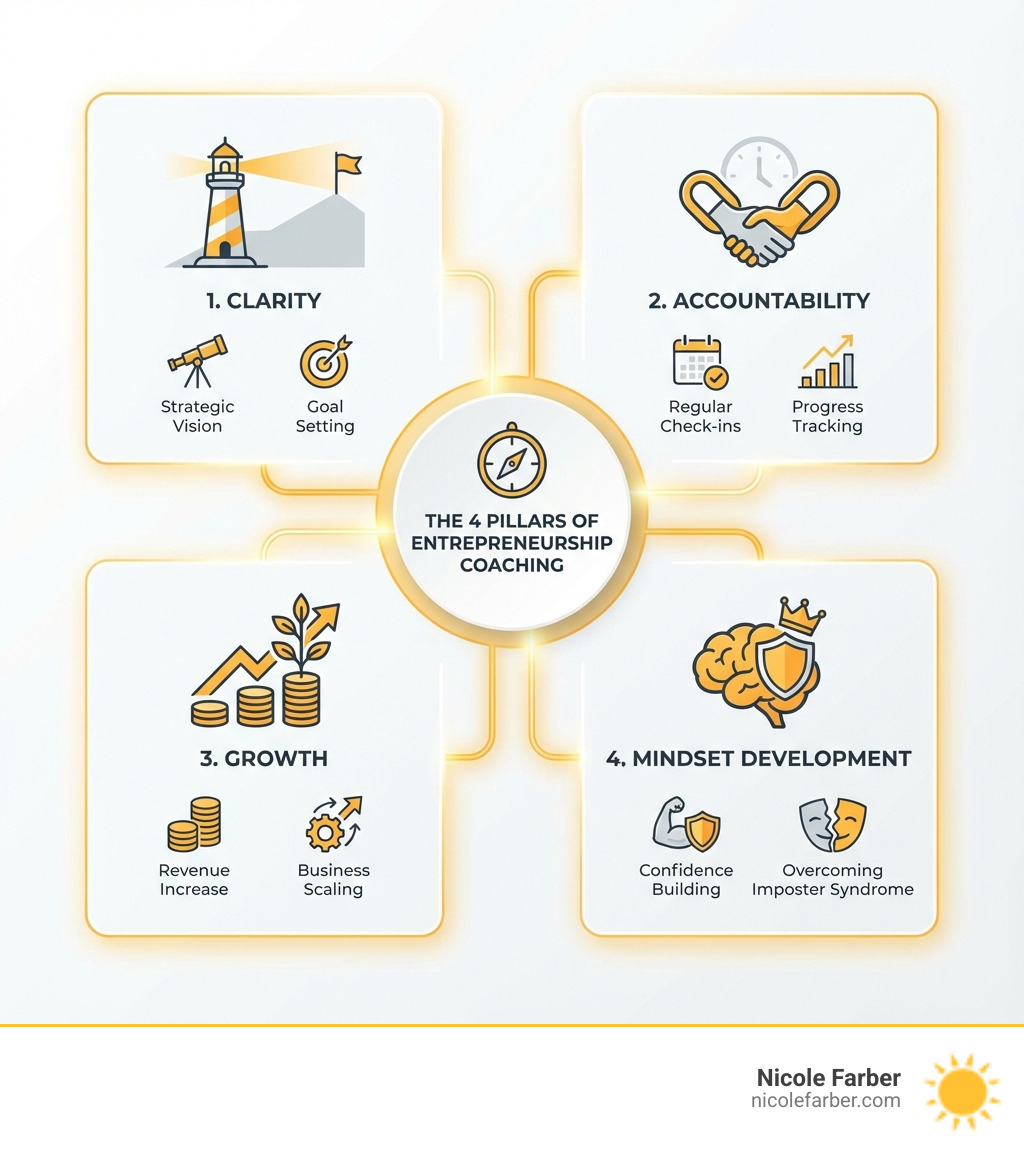
- Clarity on your vision and strategy – Coaches help you define what you want and create a realistic action plan
- Accountability and execution support – Regular check-ins ensure you follow through on your commitments
- Leadership development – Build the skills to lead your team and scale your practice
- Overcoming growth barriers – Steer challenges like client acquisition, team building, and work-life balance
- Measurable results – Clients working with coaches for two years or more see revenue growth nearly 3X the U.S. average
Who Benefits Most:
Law firm partners, solo practitioners, and legal entrepreneurs who feel stuck, overwhelmed by marketing and technology, or struggling to stand out in a competitive market. Coaching is especially valuable if you’re facing decisions about scaling, hiring, or pivoting your practice.
Running a law firm means you’re often making critical decisions alone. As one entrepreneur shared, “The coach is the one who tells you what you don’t want to hear, who makes you see what you don’t want to see, so you can become what you want to be.” That external perspective can be the difference between spinning your wheels and achieving breakthrough growth.
I’m Nicole Farber, CEO of ENX2 Legal Marketing, and I’ve spent 15+ years helping law firms and business owners turn around their practices and achieve sustainable growth through strategic guidance and entrepreneurship coaching. My approach combines hands-on business experience with a deep understanding of what it takes to lead through change and build something meaningful.
What is Entrepreneurship Coaching and How Is It Unique?
When we talk about entrepreneurship coaching, we’re diving into a specialized form of guidance designed to propel business owners forward. It’s not just about improving a single aspect of your business; it’s about nurturing the entire entrepreneurial ecosystem around you and within you.
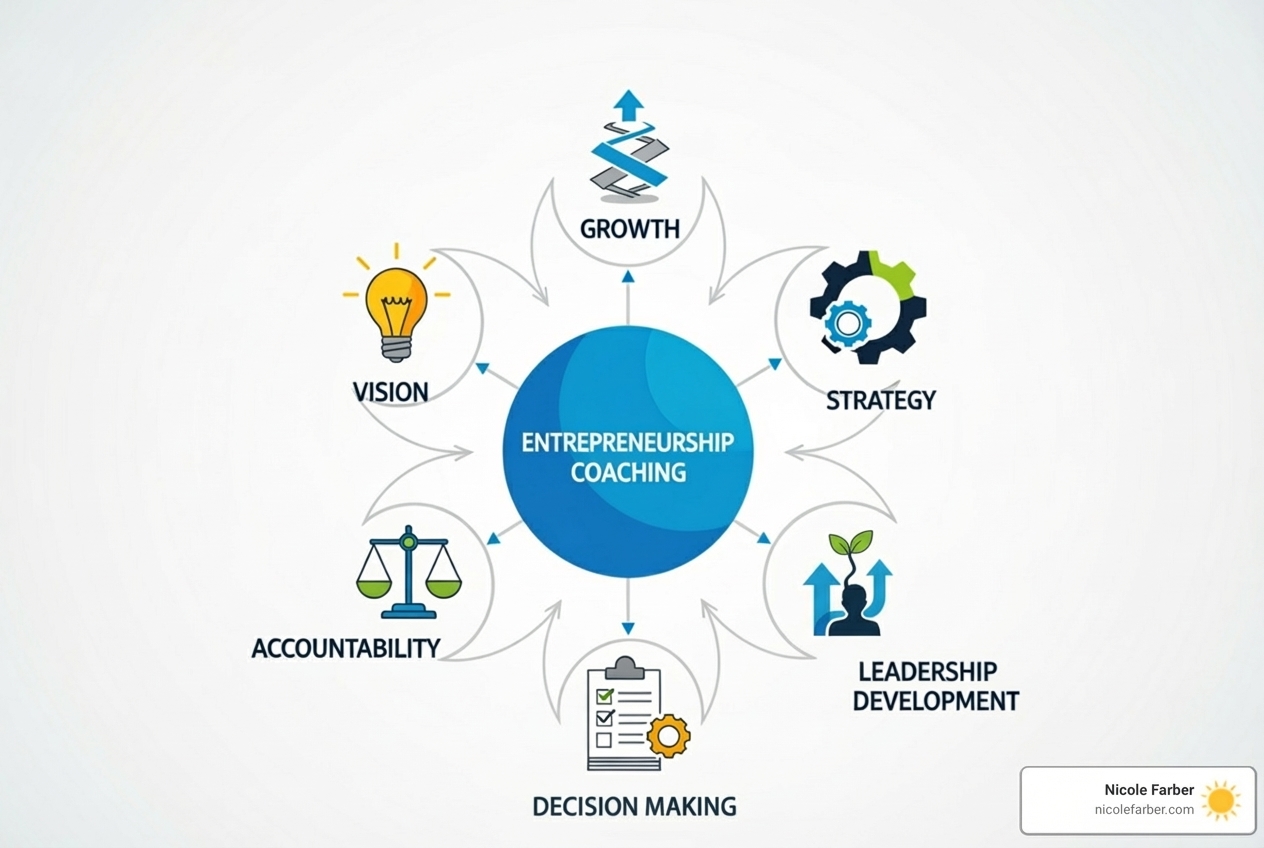
At its heart, entrepreneurship coaching is performance-driven, with clear, measurable outcomes. Think of it as having a strategic partner who helps you define your goals, develop effective strategies, and holds you accountable to execute them. Unlike a consultant who might provide specific solutions, a coach helps you uncover your own best path, challenging your assumptions and expanding your perspective.
One of the most unique aspects of entrepreneurship coaching is its holistic approach. It’s not solely focused on business processes, but deeply aligns the business with the entrepreneur’s values and beliefs. This means we’re not just building a thriving business; we’re building a fulfilling life. This process supports both business and personal growth simultaneously, ensuring that as your company scales, you also grow as a leader. We’re looking at the big picture, making sure your venture truly reflects who you are and what you want to achieve. More info about Business Strategy Coaching
The Role of a Coach in Your Entrepreneurial Journey
The role of a coach in your entrepreneurial journey is distinct and incredibly powerful. To clarify, let’s look at how it generally compares to mentorship:
| Aspect | Entrepreneurship Coaching | Mentorship |
|---|---|---|
| Structure | Highly structured, goal-oriented sessions. | Flexible, informal discussions. |
| Timeline | Defined period (e.g., 3-6 months, or ongoing). | Long-term relationship, often indefinite. |
| Focus | Performance-driven, clear outcomes, execution of goals. | Development-driven, broader guidance, sharing experiences. |
| Cost | Typically paid, with clear fee structures. | Often unpaid, based on mutual respect and shared interests. |
A coach helps with both execution and strategy by providing a framework for critical thinking and action. They’ll ask those tough questions that lead to breakthrough insights, helping you clarify your vision and then build a concrete plan to get there. They’re your accountability partner, ensuring you don’t just set goals, but actually achieve them. Research shows that entrepreneurs who work with coaches for two years or more typically see revenue growth nearly 3X the U.S. average. This isn’t just theory; it’s a proven path to tangible results.
The Transformative Benefits and Common Challenges Addressed by Coaching
Entrepreneurship coaching isn’t a luxury; it’s a strategic investment that can transform your business and your life. We’ve seen how it open ups potential, overcomes problems, and leads to extraordinary growth.
Key Benefits of Entrepreneurship Coaching
Working with a coach provides a multitude of benefits that can profoundly impact your entrepreneurial journey:
- Clarity and Focus: In the whirlwind of running a business, it’s easy to lose sight of your core objectives. A coach helps you define your vision, set precise goals, and create a roadmap to achieve them. This clarity helps you filter out distractions and focus on what truly matters.
- Breaking Through the ‘Ceiling of Complexity’: As businesses grow, they often hit a point where complexity can stifle further progress. This is often referred to as the ‘ceiling of complexity.’ A coach helps you identify and steer these barriers, changing complexity into streamlined systems and processes that support continued growth without burnout.
- Accountability for Goals: We all know how easy it is to deprioritize strategic work when daily fires demand attention. A coach provides consistent accountability, ensuring you stick to your commitments and make steady progress toward your most important goals.
- Significant Revenue and Profit Growth: The numbers speak for themselves. Clients working with coaches for two years or more typically see revenue growth nearly 3X the U.S. average and EBITDA growth more than 4X the U.S. average. Imagine what that could mean for your firm in Philadelphia or New Orleans!
- Improved Leadership Skills: Coaching challenges you to develop your mindset and further refine your skills. This includes boosting your emotional intelligence, enhancing communication, and learning to inspire your team.
- Increased Confidence: Navigating the ups and downs of entrepreneurship requires immense self-belief. A coach acts as a sounding board and a cheerleader, helping you build the confidence needed to make tough decisions and lead with conviction.
- Overcoming Imposter Syndrome: Many successful entrepreneurs battle feelings of inadequacy. A coach can help you recognize your achievements, challenge self-doubt, and accept your capabilities.
- Better Work-Life Balance: It might sound counterintuitive, but coaching can help you reclaim your personal time. Many coached entrepreneurs have reported enjoying significantly more personal time off each year while still earning more, proving that success doesn’t have to come at the expense of your life. Learn more about Goal Achievement
Common Entrepreneurial Problems Coaching Solves
Entrepreneurs face a unique set of challenges, and entrepreneurship coaching is expertly designed to address them:
- Lack of a Clear Strategy: Without a defined plan, businesses often drift. Coaches help founders develop robust business strategies and create execution plans for immediate growth.
- Scaling Challenges: Taking a business from small to significant requires a different mindset and different systems. Coaches help identify scalable business models and optimize operations, even with a small team.
- Team Building and Delegation: As your business grows, effective team management and delegation become crucial. Coaching assists in hiring the right team and empowering them to perform.
- Fundraising Preparation: For those seeking external investment, coaches are invaluable. They assist in refining pitch decks, developing fundraising strategies, and preparing for investor meetings through feedback and role-playing scenarios.
- Pitch Deck Refinement: A compelling pitch deck is essential for attracting investors. Coaches provide expert guidance to ensure your story resonates.
- Navigating Burnout and Isolation: The entrepreneurial journey can be lonely and demanding. A coach offers an external perspective and emotional support, helping you avoid burnout and stay motivated.
- Making Pivotal Decisions with Confidence: From product launches to market pivots, entrepreneurs constantly face high-stakes decisions. Coaching provides the tools and confidence to make these calls effectively. Read about Overcoming Business Challenges
Finding and Vetting Your Ideal Entrepreneur Coach
Finding the right entrepreneurship coach is a pivotal step. It’s like finding a co-pilot for your business journey – you need someone you trust implicitly and who understands your destination.

First, we recommend assessing your current business stage and defining your specific goals. Are you in the ideation phase, scaling rapidly, or looking to optimize an established firm? Your needs will dictate the type of coach best suited for you.
Next, consider networking in your local business communities. In places like Philadelphia, Wilkes-Barre, Luzerne County, New Orleans, and Antigua Guatemala, there are vibrant entrepreneurial ecosystems. Look for local business associations, chambers of commerce, or specialized centers. For instance, the Urban League of Philadelphia has an Entrepreneurship Center, and Wilkes University hosts a Small Business Development Center (SBDC) which might have recommendations. In New Orleans, the local business community can be a great source for referrals, and in Antigua Guatemala, initiatives like Emprender Mujer at Impact Hub Antigua support entrepreneurs. These local connections can lead to valuable referrals.
You can also use professional directories from reputable coaching organizations. Once you have a shortlist, the initial “chemistry check” call is crucial. This is your chance to see if your personalities align, if they truly listen, and if their approach resonates with your working style. Don’t underestimate the power of a good fit!
Essential Qualifications for an Entrepreneurship Coach
When evaluating potential coaches, we look for a blend of experience, proven results, and ethical standards:
- Real-World Experience: The best coaches have often walked the entrepreneurial path themselves. They are “battle-tested” former CEOs, Presidents, or founders who have been in your shoes. They understand the nuances of building and scaling a business.
- Proven Track Record: Ask for case studies, testimonials, and client outcomes. A good coach can demonstrate how they’ve helped others achieve their goals. For instance, some coaches have helped clients raise Series A funding or significantly reduce churn.
- Recognized Coaching Credentials: While real-world experience is paramount, formal credentials from respected organizations like the International Coaching Federation (ICF) indicate a commitment to professional standards. The ICF offers three levels of certification: Associate Certified Coach (ACC), Professional Certified Coach (PCC), and Master Certified Coach (MCC). These credentials signify verified training, coaching hours, and adherence to a strict code of ethics.
- How to Verify a Coach’s Status: Don’t just take a coach’s word for it. Visit the ICF website and use their “Find a Coach” tool to enter the coach’s name. The list shows their credential level, focus areas, and when they were last updated, providing transparency and peace of mind. Explore our guide to Business Leadership
Red Flags to Watch Out For When Hiring
While the coaching industry is filled with dedicated professionals, it’s also important to be vigilant. Here are some red flags to watch out for:
- Guaranteed Earnings Claims: If a coach promises specific revenue outcomes or guarantees that you’ll “get rich quick,” be extremely wary. Business results depend on many factors outside a coach’s control, like market conditions and your own effort. The FTC has clear rules about earnings claims in coaching programs and business opportunities, and legitimate coaches never make such promises.
- High-Pressure Sales Tactics: A reputable coach will offer a findy call to ensure a mutual fit, not to pressure you into an immediate, expensive commitment. If you feel rushed or coerced, it’s a bad sign.
- Vague or Unverified Credentials: If a coach is unwilling or unable to provide clear information about their training, certifications, or past client results, it’s a red flag. Always verify credentials through official channels like the ICF.
- A One-Size-Fits-All Approach: Every entrepreneur and business is unique. A good coach will tailor their approach to your specific needs, not force you into a generic program.
- Lack of a Clear, Written Agreement: Professional coaches always use written contracts. If a coach is hesitant to provide a detailed agreement outlining the scope of work, fees, and terms, walk away.
The Practicalities of Entrepreneurship Coaching: Costs, Contracts, and ROI
Understanding the practical aspects of entrepreneurship coaching – from costs to contracts – helps ensure a smooth and productive partnership. This isn’t just about finding a coach; it’s about setting up the relationship for success.
Understanding the Costs and Contracts
Entrepreneurship coaching represents an investment in your future. While the cost can vary widely, here’s what we typically see:
- Typical Coaching Rates: In the United States, business coaches generally charge rates from $200 to $500 per hour. Highly trained MCC (Master Certified Coach) coaches, with extensive experience and credentials, can command over $1,000 per hour. The rates often reflect their experience, specialization, and proven track record.
- Coaching Packages vs. Hourly: Most coaches offer packages rather than hourly rates, often encompassing a set number of sessions over a few months, alongside additional support like email check-ins or access to resources. A typical engagement might run for 3 to 6 months, with weekly or bi-weekly 45 to 60-minute sessions.
- Key Contract Elements: A robust coaching agreement is essential for clarity and protection. It should clearly outline:
- Scope of Work: What specific goals will be addressed? What services are included (e.g., call frequency, email support)?
- Payment Structure: Clear details on fees, payment schedule, and any additional costs.
- Session Frequency and Duration: When and how often will you meet?
- Confidentiality Clauses: Assurance that your business sensitive information will be kept private.
- Cancellation Policies: Clear terms for rescheduling or canceling sessions.
- Refund Policies: Under what circumstances, if any, are refunds provided?
- Liability: What are the responsibilities of both the coach and the coachee?
- Adherence to Ethical Standards: We always recommend ensuring your coach adheres to ethical guidelines, such as the ICF Code of Ethics guidelines. These standards ensure professionalism, client protection, and prevent conflicts of interest.
How to Maximize Your Coaching Investment
To truly get the most out of your entrepreneurship coaching investment, it’s a two-way street. Your engagement and commitment are just as crucial as your coach’s expertise:
- Come to Sessions Prepared: Have clear questions, updates on your progress, and be ready to discuss challenges. The more focused you are, the more value you’ll extract from each session.
- Be Open, Honest, and Coachable: Accept feedback, even if it’s challenging. Be transparent about your struggles and successes. A coach can only help you if you’re willing to be vulnerable and receptive to new perspectives.
- Commit to Taking Action Between Sessions: Coaching isn’t passive learning; it’s about implementing. Your coach will likely assign “homework” or action items. Following through on these is where real change happens.
- Provide Your Coach with Feedback: Just like in any relationship, open communication is key. Let your coach know what’s working well and what could be adjusted to better serve your needs.
- View Coaching as a Long-Term Investment: While short-term gains are possible, the most profound changes often come from ongoing engagements. Think of it as investing in your most critical asset: yourself and your leadership capabilities. Discover Key Strategies for Growing a Business
Developing Your Mindset and Finding Affordable Support
Beyond strategy and execution, entrepreneurship coaching plays a crucial role in your personal development. It’s about cultivating the inner game that allows you to lead with vision and resilience.
The coach’s role in personal development is profound. They help you shift from being just a “doer” – constantly immersed in day-to-day tasks – to becoming a true leader who can strategically guide their team and business. This involves building emotional intelligence, understanding your impact on the organization, and fostering a growth mindset that accepts challenges as opportunities. A coach will challenge you to further develop your skills and knowledge, helping you steer the complexities of leadership and create a strong, positive company culture. This deep dive into Entrepreneurial Mindset Development is foundational to sustained success.
Free and Low-Cost Resources for Entrepreneurs
We understand that investing in a high-level entrepreneurship coach might not be feasible for every entrepreneur, especially those just starting out. Thankfully, a wealth of free and low-cost resources exist to provide invaluable guidance and support:
- SCORE Mentorship: This fantastic resource offers free, confidential business mentoring. SCORE boasts over 10,000 volunteer business mentors across 250 chapters in the U.S. These mentors are often retired executives or successful entrepreneurs who volunteer their time and expertise. You can find local chapters near Wilkes-Barre and Luzerne County, as well as throughout the greater Philadelphia area. Connecting with a mentor is simple; just visit the SCORE website to create an account and get matched. They offer guidance via email, phone, or video, and even provide workshops and online courses.
- Small Business Development Centers (SBDCs): SBDCs are another excellent resource, with nearly 1,000 locations across all 50 states, often hosted by universities or state economic development agencies. For example, Wilkes University hosts an SBDC that can provide expert, no-cost business consulting and training. They offer services in areas like business planning, financial management, marketing, and legal considerations.
- Local Resources: Many cities and regions offer specialized support. For instance, the ENTREPRENEURSHIP CENTER – Urban League of Philadelphia provides resources and guidance for underserved entrepreneurs. In New Orleans, the local business community offers similar networking and support opportunities. And for entrepreneurs in Antigua Guatemala, organizations such as Emprender Mujer – Antigua – Guatemala (part of the Impact Hub network) provide community, mentorship, and support programs custom to local needs.
Here’s a list of free and low-cost resources for entrepreneurs in the USA and Antigua Guatemala:
- SCORE: Free one-on-one business mentoring, workshops, webinars, and an extensive online resource library.
- Small Business Development Centers (SBDCs): Free business consulting and training, often with local offices like the one at Wilkes University.
- Urban League of Philadelphia Entrepreneurship Center: Support and resources for business owners in Philadelphia.
- Impact Hub Antigua (Emprender Mujer – Antigua – Guatemala): Community, programs, and mentorship for entrepreneurs in Antigua Guatemala.
- Local Chambers of Commerce: Networking events, business resources, and sometimes mentorship programs.
- Public Libraries: Often offer free business workshops, access to market research databases, and online learning platforms.
- Online Courses (MOOCs): Platforms like Coursera, edX, and Khan Academy offer free or low-cost courses on business, marketing, finance, and leadership from top universities.
- YouTube Channels & Podcasts: Many successful entrepreneurs and coaches share valuable insights for free.
- Government Resources: The U.S. Small Business Administration (SBA) website provides a wealth of information, guides, and tools.
Conclusion
We’ve explored the profound impact of entrepreneurship coaching, distinguishing it from mentorship and highlighting its unique ability to drive both business growth and personal development. We’ve seen how it offers clarity, accountability, and a roadmap to break through the “Ceiling of Complexity,” leading to remarkable revenue growth and improved leadership skills. From overcoming imposter syndrome to refining pitch decks for fundraising, coaching addresses the most pressing challenges entrepreneurs face.
Entrepreneurship coaching is an investment in your business’s most critical asset: you. It’s about changing your journey from feeling stuck and overwhelmed to confidently achieving strategic growth. My personal experience as a single mother and CEO in the legal marketing industry has shown me the power of resilience and faith-driven leadership. I believe in empowering entrepreneurs by combining real-world CEO experience with a deep, empathetic understanding of the entrepreneurial path.
Are you ready to build a clear strategy for your business, improve your leadership, and open up your full potential? Learn more about Business Strategy Coaching and find how personalized guidance can help you achieve the extraordinary.